



Roberto Lugo: Alfarero del Barrio (Village Potter)
May 20–December 6, 2026
Madison Square Park
Featuring
Commissioned by the Madison Square Park Conservancy, Roberto Lugo: Alfarero del Barrio (Village Potter) marks the artist’s largest and most ambitious public art exhibition to date, transforming Madison Square Park into a vibrant celebration of Puerto Rican culture, community, and resilience. Expanding upon his acclaimed ceramic practice, Lugo brings his signature visual language, rooted in hip-hop, graffiti, portraiture, and historical ceramic traditions, to a monumental scale. The exhibition honors overlooked histories and everyday experiences while reimagining public space as a site for reflection, joy, and cultural pride.
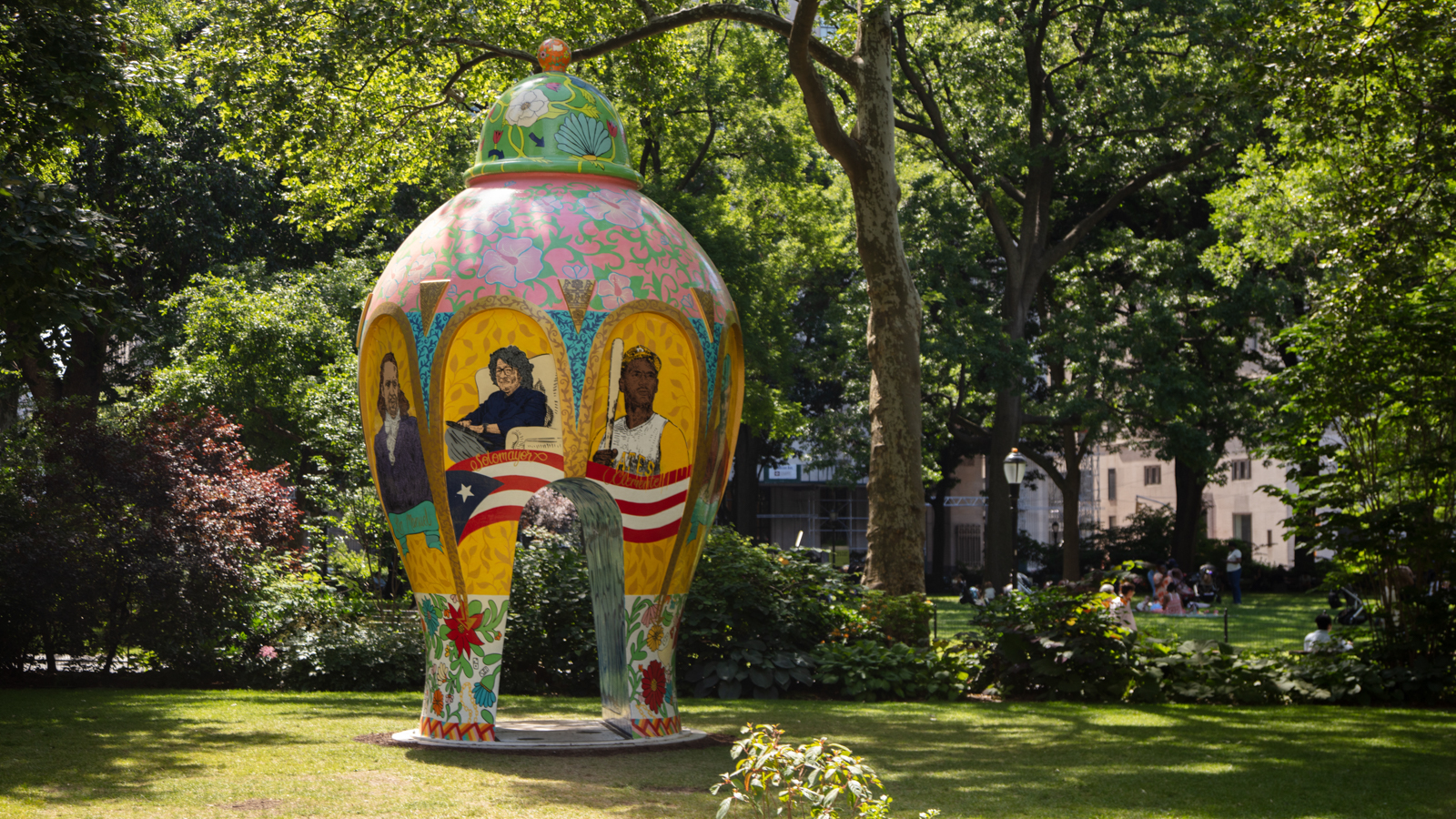
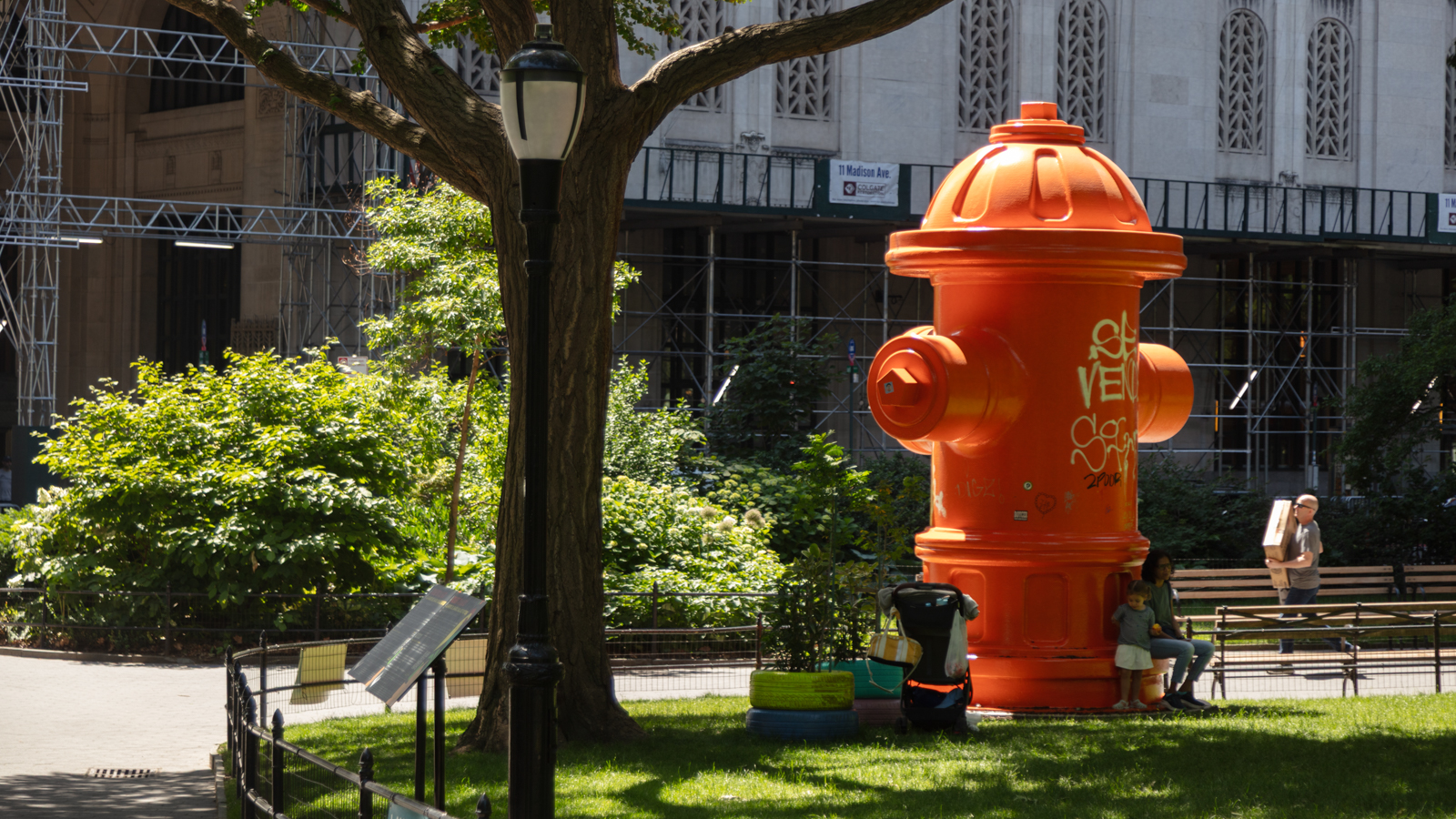
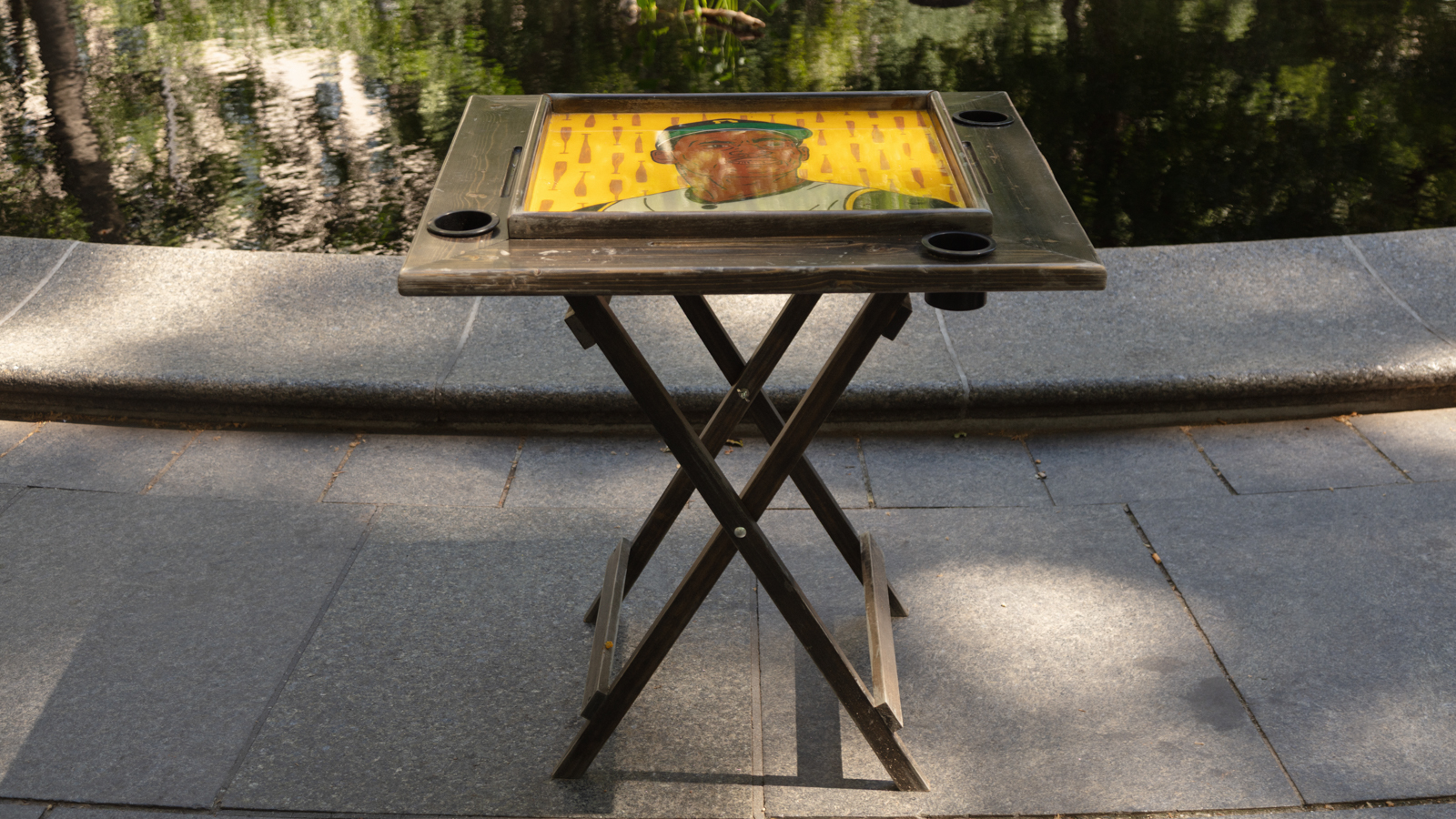
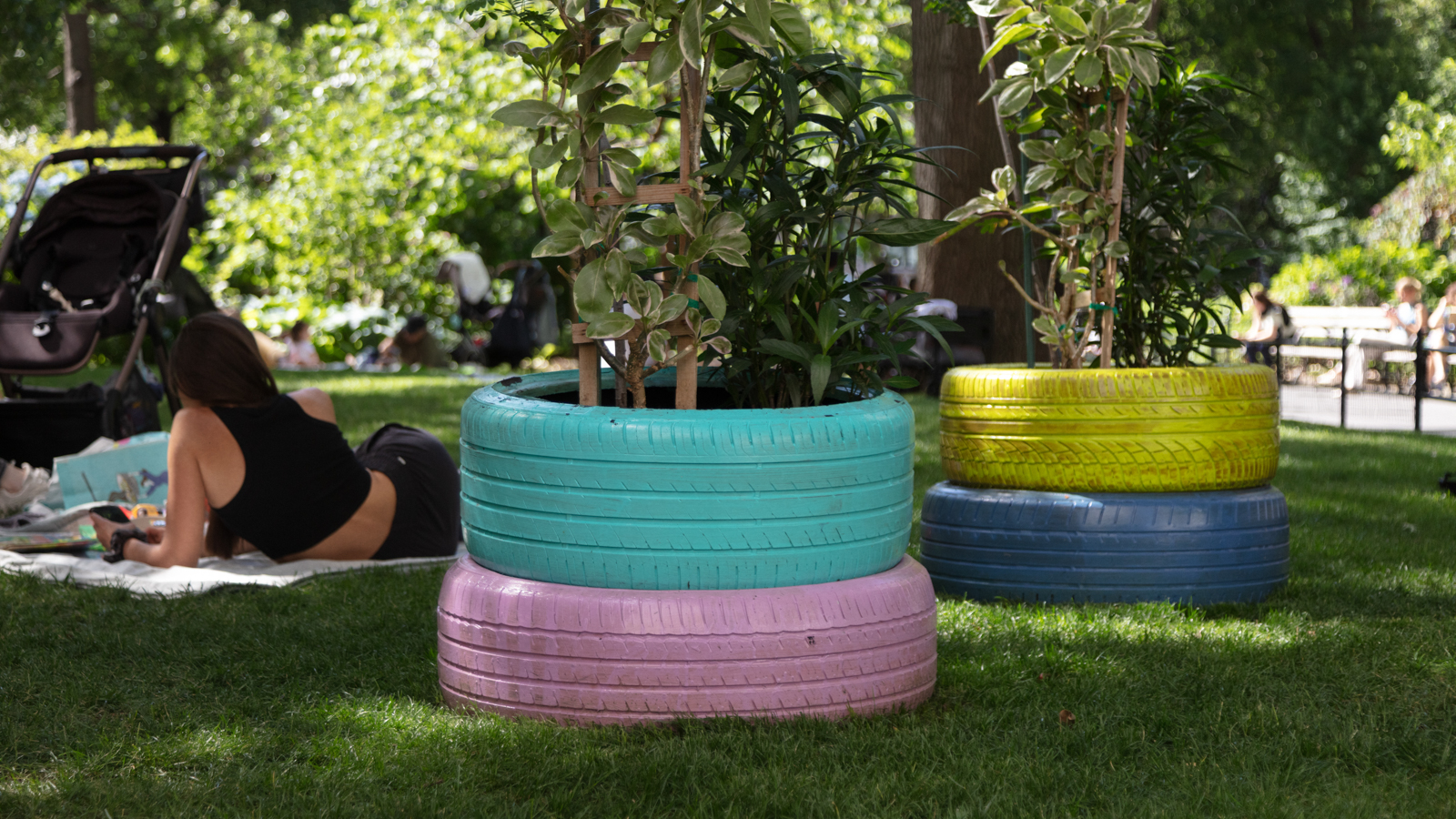
At the center of the park stand two hand-painted sculptures: a 20-foot-tall urn, Capicú de Cariño (I Heard It Both Ways), and a 15-foot-tall fire hydrant, Para Los Días Caliente (This Is For The Hot Ones). The urn features portraits of influential Puerto Rican figures, including Sonia Sotomayor, Lin-Manuel Miranda, Roberto Clemente, and Bad Bunny, alongside Lugo himself and members of his family. The fire hydrant pays tribute to an enduring emblem of city life and references one of the artist’s earliest ceramic forms, featuring Lugo’s graffiti signature on its surface. Throughout the park, visitors also encounter hand-painted domino tables and tire planters, inviting gathering, conversation, and participation, reinforcing Lugo’s belief that art should remain accessible, communal, and deeply connected to lived experience.
Alfarero del Barrio (Village Potter) represents a significant evolution in the artist’s practice, extending the intimacy and craftsmanship of his ceramics into immersive public art. While grounded in the decorative arts tradition, the exhibition challenges historical hierarchies of representation by centering voices and narratives that have historically been excluded from such spaces. With this work, Lugo creates an uplifting and personal environment that celebrates identity while inviting audiences to see themselves reflected within the work.